
Dairy-Free Cappuccino Market Trends and Opportunities for Importers and Distributors

The global beverage industry is witnessing a significant shift as consumers increasingly seek plant-based alternatives to traditional dairy products. This trend has created a substantial opportunity for ready-to-drink (RTD) coffee beverages, particularly those that combine the rich, indulgent experience of coffeehouse classics with the clean, refreshing profile of plant milks. For importers, distributors, and wholesalers looking to capitalize on this movement, understanding the nuances of the dairy-free cappuccino market is essential. This article explores the key market dynamics, consumer insights, and strategic opportunities surrounding the dairy-free cappuccino segment, using a specific product example to illustrate the potential for growth and innovation.
Key Takeaways
- The dairy-free cappuccino market is expanding rapidly, driven by consumer demand for plant-based alternatives that deliver authentic coffeehouse taste and texture.
- Importers and distributors can leverage the growing popularity of coconut-based beverages as a versatile and scalable entry point into the RTD coffee segment.
- Strategic partnerships with established manufacturers offering OEM and ODM services are critical for brands seeking to launch private-label dairy-free cappuccino products efficiently.
- Successful market entry requires a focus on premium packaging, such as glass bottles, to preserve product quality and appeal to discerning consumers.
- Understanding regional consumer preferences, particularly in key markets like the USA and Europe, is essential for tailoring product formulations and marketing strategies.
The Rise of Plant-Based Coffee Beverages in the Global Market
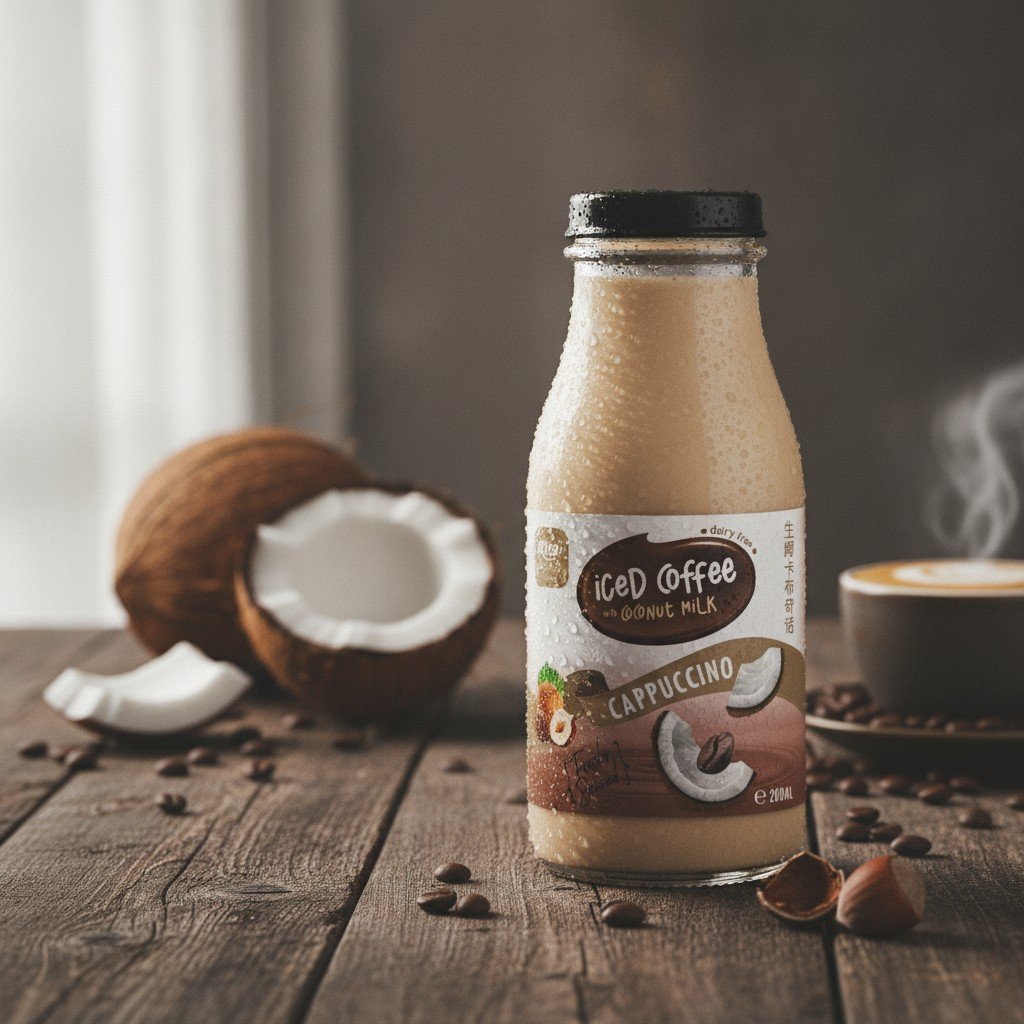
The RTD coffee sector has experienced robust growth over the past decade, with the plant-based sub-segment emerging as a particularly dynamic area. According to industry reports, the global plant-based milk market is projected to reach significant value by the end of the decade, with coconut milk being one of the fastest-growing categories. This growth is fueled by a convergence of consumer motivations, including lactose intolerance, environmental concerns, and a general preference for lighter, more natural-tasting beverages.
Within this context, the dairy-free cappuccino has carved out a distinct niche. Unlike other plant-based coffee drinks, a cappuccino is defined by its frothy, creamy texture, which traditionally comes from steamed dairy milk. Replicating this mouthfeel using plant-based alternatives requires careful formulation. The use of coconut milk, with its natural fat content and smooth consistency, offers a particularly effective solution. This allows brands to deliver a product that closely mimics the sensory experience of a classic cappuccino while appealing to consumers seeking dairy-free options.
For businesses in the beverage supply chain, this presents a clear opportunity. The demand for dairy-free cappuccino products is not just a passing trend; it represents a structural shift in consumer behavior. Importers and distributors who can secure reliable supply chains for high-quality, shelf-stable RTD plant-based coffees will be well-positioned to meet this growing demand.
Why Coconut Milk Is the Preferred Base for Dairy-Free Cappuccinos
The choice of coconut milk as a base for a dairy-free cappuccino is not arbitrary. From a functional standpoint, coconut milk provides a rich, creamy texture that is challenging to achieve with other plant-based milks like almond or oat. Its natural fat profile creates a stable foam, which is essential for the cappuccino experience. Furthermore, coconut milk has a mild, slightly sweet flavor that complements the bold notes of coffee without overpowering them.
From a market perspective, coconut-based beverages have a strong track record of consumer acceptance. Products like coconut water and coconut cream have already established a loyal following, particularly among health-conscious and lifestyle-oriented consumers. This existing familiarity reduces the educational barrier for new products like a coconut milk cappuccino. The flavor profile, often described as tropical and refreshing, also differentiates it from standard dairy-based or oat-based offerings, giving brands a unique selling point in a crowded market.
Market Analysis: USA and Europe as Primary Targets for Dairy-Free Cappuccino
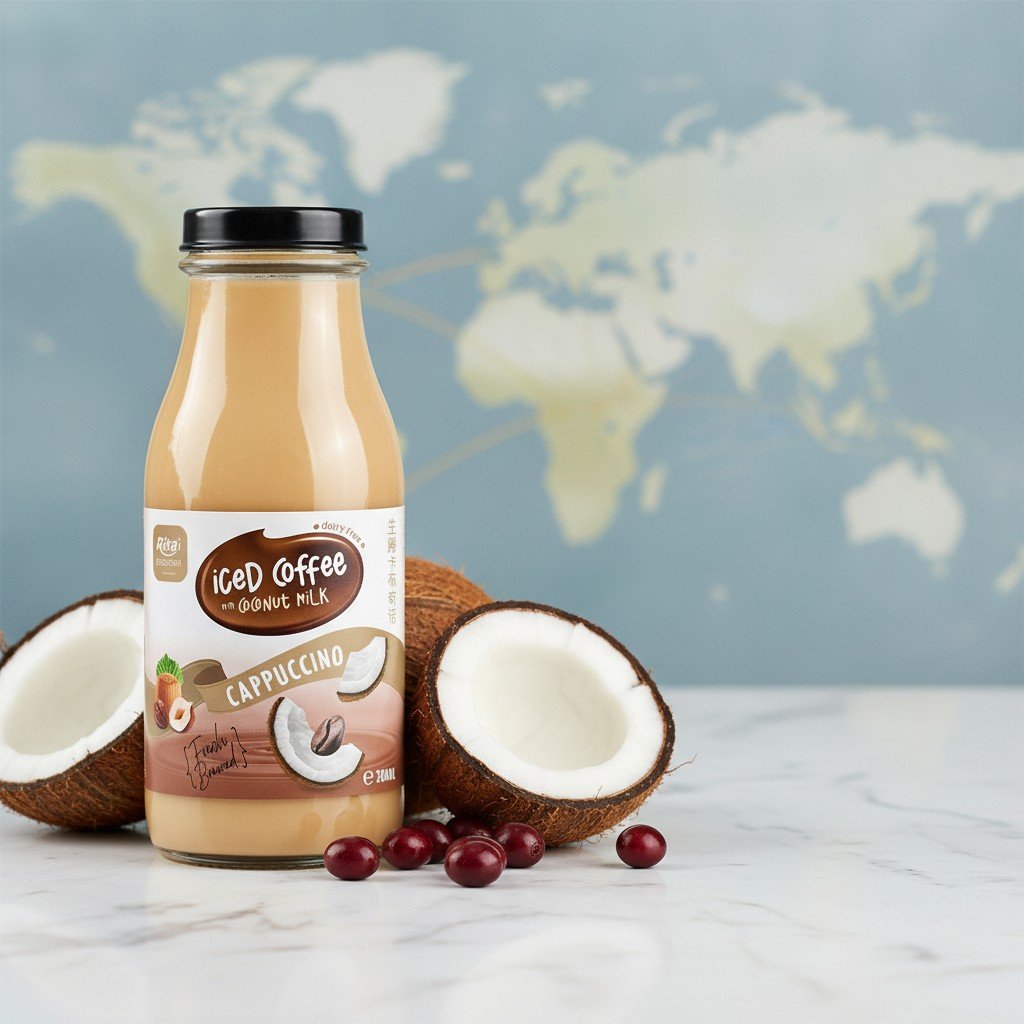
For a product like the Rita Iced Coffee with Coconut Milk Cappuccino Flavor 280ml Glass Bottle, the most promising export markets are the United States and Europe. These regions share several key characteristics that make them ideal for this product category, including high coffee consumption, a mature RTD beverage market, and strong consumer demand for plant-based alternatives.
United States: A Mature RTD Coffee Market with Room for Innovation
The US is the largest RTD coffee market globally, with a value exceeding several billion dollars. The market is dominated by established brands, but there is significant room for innovation, particularly in the premium and plant-based segments. American consumers are increasingly looking for convenient, on-the-go options that do not compromise on taste or quality. The dairy-free cappuccino fits this need perfectly.
Key trends driving demand in the US include the rise of cold coffee consumption, the popularity of functional beverages, and a growing interest in global flavors. The coconut milk cappuccino, with its Italian-inspired name and tropical twist, aligns well with these trends. For importers, the challenge lies in differentiating their product in a competitive landscape. High-quality packaging, such as the glass bottle format, can help command a premium price point and attract discerning consumers. The product's 24-month shelf life and 280ml volume are also well-suited for retail distribution, from specialty grocery stores to mainstream convenience chains.
Europe: A Sophisticated Palate for Premium Plant-Based Beverages
Europe represents another high-potential market for dairy-free cappuccino. Countries like Germany, the UK, and France have strong coffee cultures and are leaders in the plant-based food and beverage movement. European consumers are particularly discerning when it comes to product quality and ingredient transparency. They are willing to pay a premium for products that offer authentic taste and sustainable packaging.
The glass bottle packaging of the Rita product is a significant advantage in the European market, where glass is often associated with premium quality and is widely recycled. The dairy-free cappuccino also appeals to the growing segment of European consumers who are reducing their dairy intake for environmental or ethical reasons. For distributors, establishing relationships with suppliers who can offer consistent quality and reliable logistics is paramount. The product's FOB price and delivery time of 20-25 days are competitive factors that can facilitate market entry.
Strategic Opportunities for B2B Partners
Private Label and OEM Manufacturing
For beverage brands and retailers looking to enter the dairy-free cappuccino market, partnering with an experienced manufacturer like Rita Food & Drink Co., Ltd offers a fast and cost-effective route to market. Through OEM and ODM services, companies can develop a custom product without the significant capital investment required to build their own production facilities. This includes flexibility in formulation, such as adjusting sweetness levels or flavor intensity, as well as packaging design.
The ability to offer a private-label dairy-free cappuccino allows brands to build their own identity in the market while leveraging the manufacturer's expertise and scale. This is particularly valuable for startups or regional brands that want to compete with larger players. The MOQ of 500 cartons per order is accessible for many businesses, while the supply ability of 300 containers per month demonstrates the capacity to scale with demand.
Supply Chain and Logistics Advantages
For importers and distributors, the reliability of the supply chain is a critical factor. Sourcing from a manufacturer with a proven track record in international shipping, such as Rita, provides peace of mind. The company's experience exporting to over 200 countries means they understand the documentation, certification, and logistical requirements for different markets. Certifications like ISO, HACCP, HALAL, and FDA are essential for meeting regulatory standards in the USA and Europe.
The product's packaging in a glass bottle adds a layer of logistical consideration, but it also offers a premium unboxing experience for the end consumer. The 280ml size is ideal for single-serve consumption, which is the dominant format in the RTD coffee category. By offering a product that is both high-quality and logistically viable, manufacturers help their partners succeed in competitive international markets.
Consumer Trends Driving the Dairy-Free Cappuccino Market
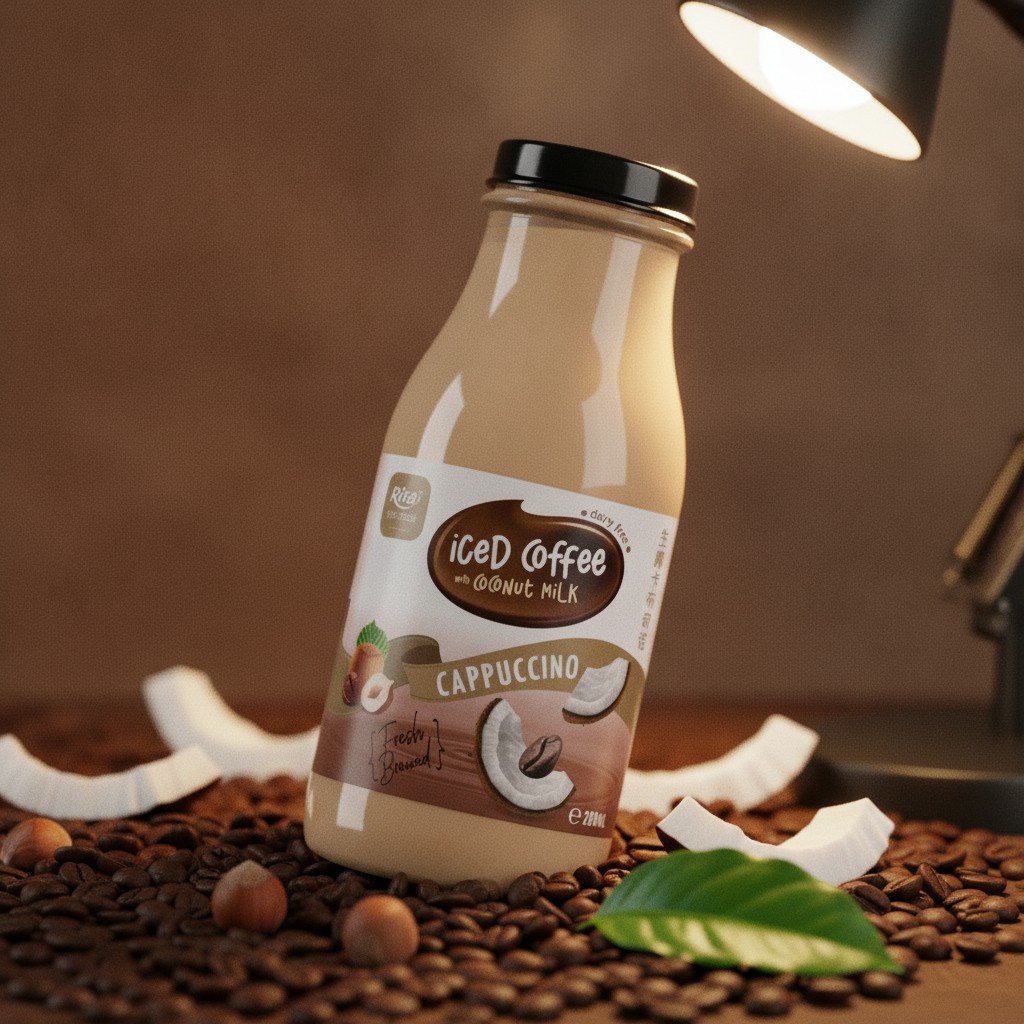
Several long-term consumer trends are fueling the growth of the dairy-free cappuccino segment. Understanding these trends is crucial for businesses developing their product and marketing strategies.
The Demand for Convenience Without Compromise
Modern consumers lead busy lives and seek convenience in their food and beverage choices. However, they are no longer willing to sacrifice quality for convenience. The RTD dairy-free cappuccino offers the best of both worlds: a premium, barista-quality beverage that can be consumed on the go. The glass bottle format reinforces this perception of quality, making it suitable for consumption at work, during travel, or at home.
The Exploration of Global Flavors
Consumers are increasingly adventurous in their flavor preferences, seeking out authentic tastes from around the world. The combination of Italian cappuccino tradition with the tropical essence of coconut milk is a compelling fusion that appeals to this desire for culinary exploration. This product is not just a coffee; it is an experience that transports the drinker to a different place. For brands, this narrative can be a powerful marketing tool.
Sustainability and Ethical Consumption
Environmental consciousness is a major driver for many consumers, particularly in the USA and Europe. While this article cannot make health claims, it is relevant to note that plant-based products are often perceived as having a lower environmental footprint compared to dairy. Additionally, the use of glass packaging, which is infinitely recyclable, aligns with the values of eco-conscious consumers. Brands that can communicate a genuine commitment to sustainability will resonate with this audience.
Frequently Asked Questions
What is the shelf life of the dairy-free cappuccino product?
The product has a shelf life of 24 months from the date of production when stored in a cool, dry place away from direct sunlight. This long shelf life makes it ideal for international shipping and retail distribution.
What is the minimum order quantity for this product?
The minimum order quantity is 500 cartons per order. This is designed to be accessible for both new entrants and established distributors looking to test the market or expand their product line.
Does the manufacturer offer private label or OEM services?
Yes, the manufacturer offers comprehensive OEM and ODM services, including custom formulation, packaging design, and production. This allows brands to create a unique product under their own label.
What certifications does the product have?
The product is manufactured in facilities that hold ISO, HACCP, HALAL, and FDA certifications. These certifications ensure that the product meets international quality and safety standards.
How long does delivery take after placing an order?
The standard delivery time is 20 to 25 days after the order is confirmed. This efficient turnaround is supported by the manufacturer's large production capacity and established logistics network.
For more information on product specifications and partnership opportunities, visit the coffee drinks product page or explore the coconut beverage products category.
Newer news items:
- Sparkling Apple Soda Water Market Trends and Opportunities for Global Buyers - 25/07/2026 03:33
- Premium Mangosteen Juice Drink 325ml Sleek Can Market Analysis for US and European Importers - 24/07/2026 03:31
- Iced Americano Passion Fruit Coffee Trends in the US and European Markets - 23/07/2026 03:30
- Grape Flavor Prebiotic Soda 330ml Short Can Market Trends for USA Importers - 22/07/2026 03:29
- Coconut Water Market Growth — Opportunities for Importers and Distributors in the USA and Europe - 21/07/2026 03:26
Older news items:
- Premium Iced Coffee with Coconut Milk French Vanilla — A Market Analysis for US and European Distributors - 16/07/2026 03:10
- Wide Opening Can Grape Drink with Nata De Coco Market Insights for US Importers - 15/07/2026 08:28
- Wide Opening Can Melon Drink With Nata De Coco — A Packaging Innovation Driving Global Beverage Imports - 15/07/2026 08:24
- Premium Canned Juice Imports Rise as Retailers Seek Unique Flavors for 2026 - 15/07/2026 07:42
- Wide Opening Can Melon Drink With Nata De Coco Gains Traction in USA and Middle East Markets - 15/07/2026 07:05
 084 274 3784788
 No. 8, Thong Nhat Boulevard, Song Than 2 Industrial Park, Di An Ward, HCMC, Vietnam.