
Premium Iced Coffee with Coconut Milk French Vanilla — A Market Analysis for US and European Distributors

The global ready-to-drink (RTD) coffee market is undergoing a profound transformation, driven by evolving consumer preferences for plant-based ingredients, exotic flavor profiles, and premium packaging. Among the most promising innovations in this space is the iced coffee with coconut milk French vanilla, a product that bridges the gap between indulgence and clean-label demand. For importers, distributors, and F&B businesses eyeing expansion into the United States and Europe, understanding the dynamics behind this category is essential for strategic positioning.
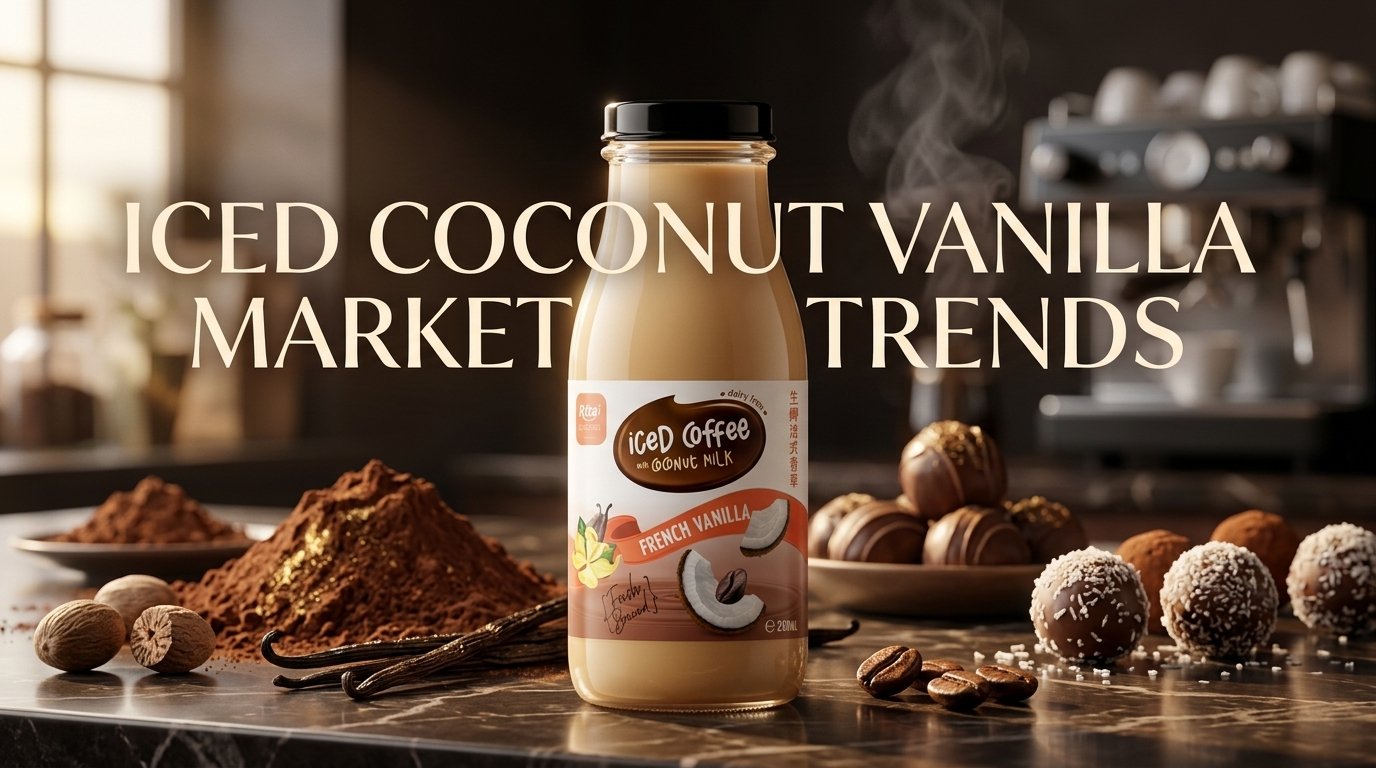
This article provides a deep dive into the market forces shaping the RTD coffee sector, with a focus on the synergy between coconut milk and French vanilla flavors. Drawing on real-world production capabilities and export insights, we examine how a product like the iced coffee with coconut milk French vanilla exemplifies the trends that are redefining beverage retail in North America and Western Europe.
Key Takeaways
- The RTD coffee market in the US and Europe is growing at a CAGR of 7-9%, with plant-based variants leading the charge.
- French vanilla remains the most popular flavored coffee profile in Western markets, while coconut milk offers a dairy-free alternative with broad consumer appeal.
- Glass bottle packaging is gaining traction among premium brands due to its sustainability credentials and ability to preserve flavor integrity.
- Vietnamese manufacturers, particularly those offering OEM and ODM services, are well-positioned to meet the demand for iced coffee with coconut milk French vanilla at competitive price points.
- Strategic partnerships with experienced exporters can reduce time-to-market and ensure compliance with FDA and EU food safety standards.
The Rise of Plant-Based RTD Coffee in the United States
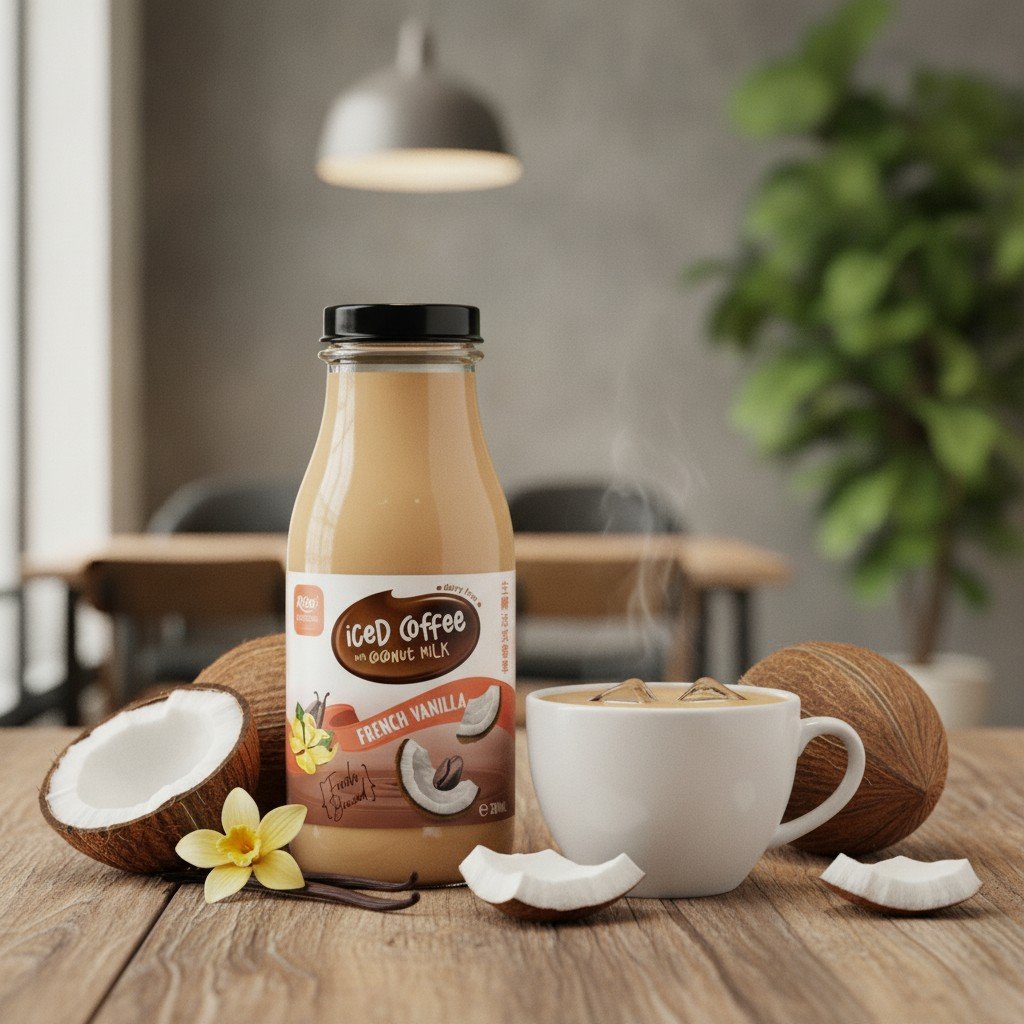
The US RTD coffee market was valued at approximately $6.5 billion in 2025 and is projected to exceed $9 billion by 2030, according to industry reports. A significant driver of this growth is the shift toward plant-based milk alternatives. While almond milk and oat milk have dominated the segment, coconut milk is emerging as a preferred choice for consumers seeking a creamy texture without the nutty or grainy aftertaste. The iced coffee with coconut milk French vanilla product category directly taps into this demand, offering a smooth, dairy-free experience that appeals to lactose-intolerant individuals and flexitarians alike.
French vanilla, with its rich, custard-like aroma, is a staple in American coffee culture. When combined with coconut milk, it creates a flavor profile that is both familiar and novel. This duality is key for product differentiation in a crowded market. Retailers such as Whole Foods, Sprouts, and specialty coffee chains have reported increased shelf space for plant-based RTD coffees, signaling a long-term trend. For distributors, sourcing a reliable supply of this product from a reputable manufacturer is critical to capturing market share.
The iced coffee with coconut milk French vanilla is packaged in a 280ml glass bottle, a format that resonates with US consumers who associate glass with premium quality and environmental responsibility. Unlike plastic, glass does not leach chemicals or absorb odors, ensuring the delicate vanilla and coconut notes remain intact throughout the supply chain. This packaging choice also aligns with the growing movement against single-use plastics, a factor that can enhance brand loyalty among eco-conscious buyers.
European Market Dynamics: Demand for Exotic and Sustainable Beverages
Europe presents a slightly different but equally promising landscape. The EU RTD coffee market is expected to grow at a CAGR of 8% through 2028, with Germany, the UK, and France leading consumption. European consumers are increasingly drawn to products that offer a story of origin and craftsmanship. Vietnamese coffee, with its rich history and robust flavor, fits this narrative perfectly. The iced coffee with coconut milk French vanilla leverages this heritage while incorporating tropical coconut milk, a combination that appeals to adventurous palates in markets like the Netherlands and Scandinavia.
Sustainability is a non-negotiable factor in European retail. Glass bottles are widely preferred over plastic, and many retailers require suppliers to provide documentation on carbon footprint and recyclability. The 280ml glass bottle format used for this product is fully recyclable and can be refilled, making it attractive to distributors targeting zero-waste initiatives. Additionally, the product's shelf life of 24 months ensures minimal waste during transit and storage, a key consideration for long-distance shipping from Vietnam.
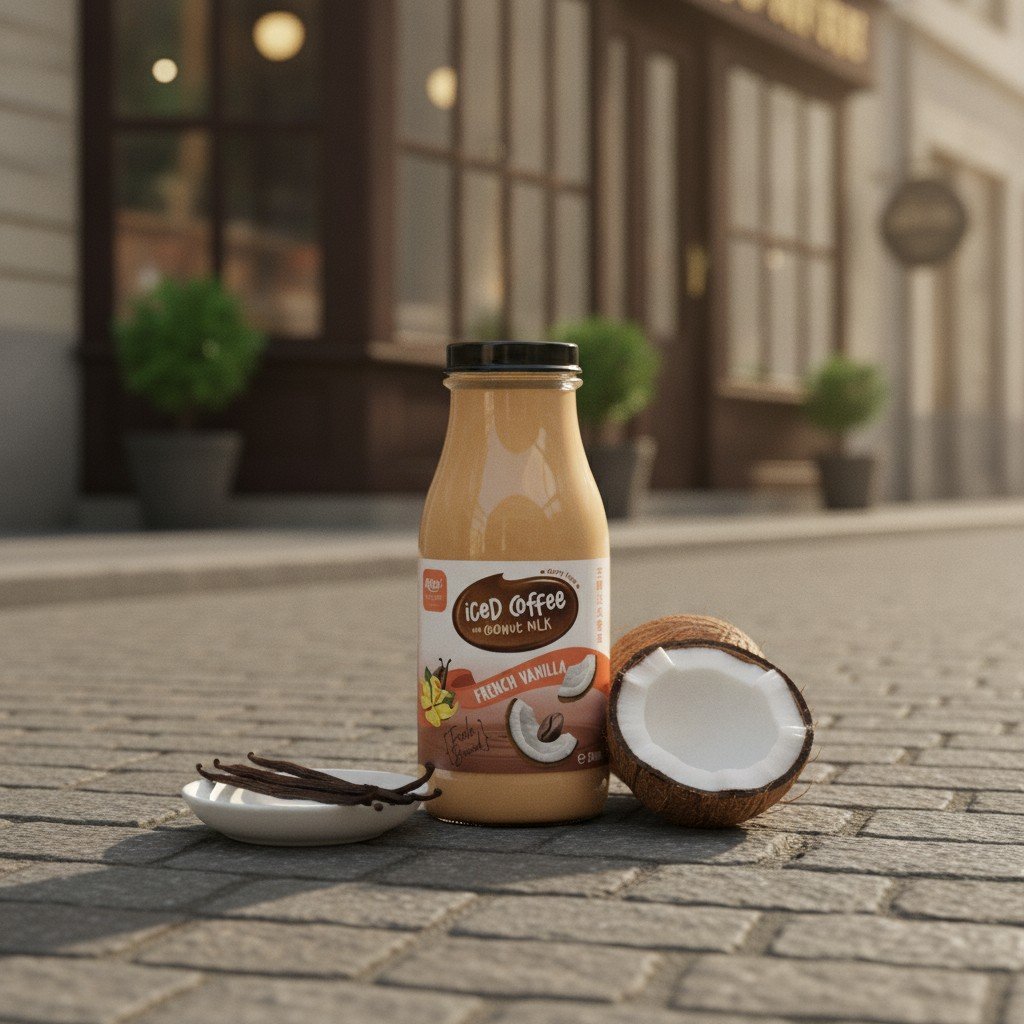
European importers also prioritize certifications such as ISO, HACCP, and HALAL. These credentials are standard for reputable Vietnamese exporters and provide the assurance needed to navigate complex EU food safety regulations. The iced coffee with coconut milk French vanilla is produced at facilities that hold these certifications, facilitating smoother entry into European markets. The minimum order quantity of 500 cartons per order is manageable for mid-sized distributors, while the supply ability of 300 twenty-foot containers per month supports large-scale operations.
Why French Vanilla and Coconut Milk Are a Winning Combination
Flavor Profile and Consumer Psychology
The success of any RTD coffee product hinges on its flavor. French vanilla is a classic choice because it evokes comfort and indulgence without being overly sweet. When paired with coconut milk, the result is a beverage that feels both luxurious and light. This combination is particularly effective in the US, where vanilla-flavored products account for over 30% of the flavored coffee market. In Europe, the tropical notes of coconut add an element of exoticism that differentiates the product from standard iced lattes.
From a production standpoint, achieving the right balance requires expertise. The iced coffee with coconut milk French vanilla uses high-quality coffee beans sourced from sustainable farms, ensuring a robust base that complements the creamy coconut milk. The French vanilla flavor is integrated naturally, avoiding the artificial aftertaste that plagues many mass-market products. This attention to detail is a hallmark of Vietnamese beverage manufacturing, where traditional techniques meet modern technology.
Packaging as a Marketing Tool
The 280ml glass bottle is not just a container; it is a branding asset. In retail environments, glass bottles convey a sense of premium quality that aluminum cans or PET bottles struggle to match. This is especially important for new entrants seeking to establish a foothold in competitive markets like the US and Europe. The product's elegant design, combined with clear labeling of ingredients and certifications, helps build trust with consumers who scrutinize product labels.
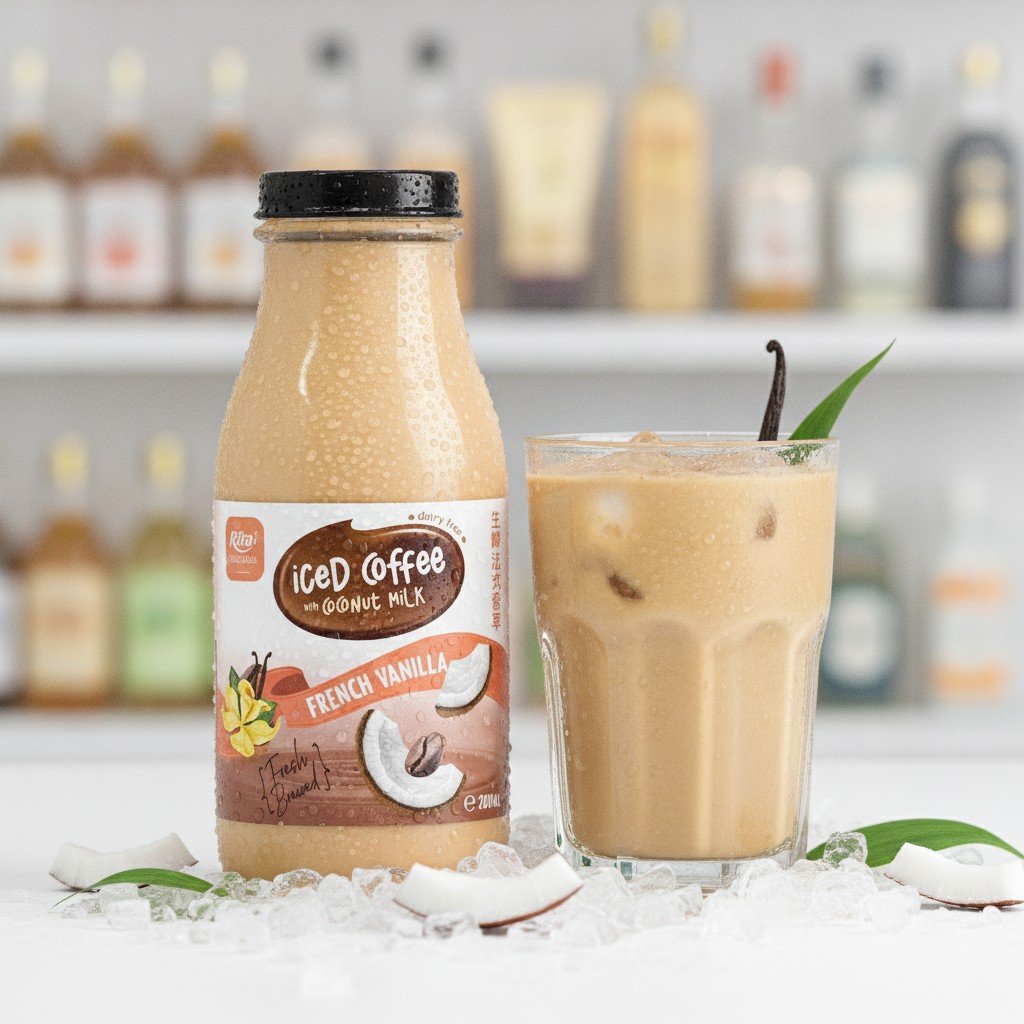
For distributors, the glass bottle also offers logistical advantages. It can be stored at room temperature without degradation, and its durability (when properly packed) minimizes breakage during international shipping. The product's FOB price is competitive, and payment terms such as L/C and T/T are standard, making it accessible to a wide range of buyers. Delivery time of 20-25 days after order ensures that inventory can be replenished quickly, a critical factor in the fast-moving FMCG sector.
Opportunities for Distributors and Private Label Partnerships
One of the most compelling aspects of the iced coffee with coconut milk French vanilla is its suitability for private label and OEM arrangements. Many retailers and restaurant chains are looking to launch their own branded RTD coffee lines without investing in manufacturing infrastructure. Vietnamese manufacturers like Rita Food & Drink Co., Ltd offer end-to-end services, from custom formulation to packaging design. This allows distributors to bring a product to market under their own brand while leveraging the manufacturer's expertise and scale.
The flexibility of OEM and ODM services means that the sweetness level, coconut milk concentration, and even the vanilla intensity can be adjusted to suit specific market preferences. For example, US consumers may prefer a slightly sweeter profile, while European buyers might opt for a more bitter, coffee-forward taste. The ability to tailor the product without compromising quality is a significant competitive advantage. Additionally, the manufacturer's MOQ of 500 cartons per order is low enough for startups to test the market, yet scalable for established players.
Distributors also benefit from the manufacturer's extensive experience in Asian coffee export. With a supply chain that spans from coffee farms to finished goods, the manufacturer ensures price stability and consistent quality. This is particularly important in the current economic climate, where raw material costs can fluctuate unpredictably. By partnering with a vertically integrated producer, importers can mitigate risk and focus on building their brand presence.
Navigating Regulatory Compliance and Market Entry
Entering the US and European markets requires strict adherence to food safety regulations. The FDA in the US and the European Food Safety Authority (EFSA) in the EU have stringent requirements for imported beverages. The product discussed here is manufactured in facilities that hold FDA registration, ISO certification, and HACCP accreditation. These credentials are not just bureaucratic formalities; they are essential for gaining shelf space in major retail chains.
For US importers, the product's compliance with FDA standards means that it can be sold without additional testing or reformulation. The glass bottle packaging also meets the FDA's requirements for food contact materials. In Europe, the HALAL certification adds an extra layer of appeal for Muslim consumers, a demographic that is growing in both the US and Europe. The product's ingredient list is clean and transparent, with no artificial preservatives or colors, aligning with the clean-label movement that dominates both markets.
Supply Chain and Logistics: The Vietnam Advantage
Vietnam has emerged as a global hub for beverage manufacturing, thanks to its abundant natural resources, skilled labor force, and favorable trade agreements. The country's coffee industry, in particular, is renowned for producing high-quality Robusta and Arabica beans. For the iced coffee with coconut milk French vanilla, the use of Vietnamese coffee provides a distinct flavor profile that sets it apart from competitors using cheaper, lower-grade beans.
The manufacturer's production capacity of 300 twenty-foot containers per month ensures that even large orders can be fulfilled without delays. The port of Cat Lai in Ho Chi Minh City offers direct shipping routes to major US ports like Los Angeles and Long Beach, as well as European hubs such as Rotterdam and Hamburg. Transit times are typically 20-30 days, depending on the destination. The product's 24-month shelf life provides a comfortable buffer for inventory management, reducing the risk of spoilage during transit or warehousing.
Future Trends and Strategic Recommendations
Looking ahead, the demand for iced coffee with coconut milk French vanilla is expected to grow as consumers continue to seek out convenient, indulgent, and sustainable beverage options. The RTD coffee market is increasingly fragmented, with new entrants emerging regularly. To stand out, distributors should focus on storytelling around the product's origin, the craftsmanship involved, and the sustainability of the packaging. Social media campaigns highlighting the glass bottle's recyclability and the coffee's Vietnamese heritage can resonate strongly with millennial and Gen Z consumers.
Another trend to watch is the rise of functional beverages that combine coffee with adaptogens or nootropics. While the product discussed here does not make health claims, its natural ingredient base positions it well for future iterations that could incorporate such elements. For now, distributors should prioritize building a strong distribution network in key urban markets, where demand for premium RTD coffee is highest.
Conclusion
The iced coffee with coconut milk French vanilla represents a convergence of several powerful consumer trends: plant-based eating, premiumization, convenience, and sustainability. For importers and distributors in the US and Europe, this product offers a clear pathway to capturing value in the rapidly growing RTD coffee segment. By partnering with an experienced Vietnamese manufacturer that offers OEM and ODM services, businesses can bring a high-quality, differentiated product to market with minimal risk and maximum efficiency.
As the global beverage landscape continues to evolve, those who act early to secure reliable supply chains and innovative product lines will be best positioned for success. The iced coffee with coconut milk French vanilla is more than just a drink; it is a strategic asset for any distributor looking to thrive in the competitive F&B industry.
Frequently Asked Questions
What is the shelf life of the iced coffee with coconut milk French vanilla in a glass bottle?
The product has a shelf life of 24 months when stored in a cool, dry place away from direct sunlight. The glass bottle preserves the flavor and quality throughout this period.
Can I customize the flavor or packaging for private label purposes?
Yes, the manufacturer offers OEM and ODM services, allowing you to adjust sweetness, coconut milk concentration, and even design custom labels. The minimum order quantity is 500 cartons per order.
What certifications does the product hold for export to the US and Europe?
The product is manufactured in facilities with ISO, HACCP, HALAL, and FDA registration. These certifications ensure compliance with US FDA and EU food safety standards.
What is the typical delivery time from order placement?
Delivery time is 20-25 days after order confirmation. The product is shipped from Cat Lai Port in Ho Chi Minh City, Vietnam, to major ports worldwide.
Is the glass bottle packaging sustainable?
Yes, the 280ml glass bottle is fully recyclable and can be reused. It is an eco-friendly alternative to plastic packaging, aligning with global sustainability trends.
Newer news items:
- Premium Mangosteen Juice Drink 325ml Sleek Can Market Analysis for US and European Importers - 24/07/2026 03:31
- Iced Americano Passion Fruit Coffee Trends in the US and European Markets - 23/07/2026 03:30
- Grape Flavor Prebiotic Soda 330ml Short Can Market Trends for USA Importers - 22/07/2026 03:29
- Coconut Water Market Growth — Opportunities for Importers and Distributors in the USA and Europe - 21/07/2026 03:26
- Dairy-Free Cappuccino Market Trends and Opportunities for Importers and Distributors - 18/07/2026 03:17
Older news items:
- Wide Opening Can Grape Drink with Nata De Coco Market Insights for US Importers - 15/07/2026 08:28
- Wide Opening Can Melon Drink With Nata De Coco — A Packaging Innovation Driving Global Beverage Imports - 15/07/2026 08:24
- Premium Canned Juice Imports Rise as Retailers Seek Unique Flavors for 2026 - 15/07/2026 07:42
- Wide Opening Can Melon Drink With Nata De Coco Gains Traction in USA and Middle East Markets - 15/07/2026 07:05
- Wide Opening Can Strawberry Drink with Nata De Coco Trends in USA and Europe - 15/07/2026 06:39
 084 274 3784788
 No. 8, Thong Nhat Boulevard, Song Than 2 Industrial Park, Di An Ward, HCMC, Vietnam.