
Navigating the Global Demand for Novel Beverages with Aloe Vera and Chia Seed Combinations
User Rating: 5 / 5

Explore how the fusion of distinct fruit flavors and unique textures drives the global beverage market, offering key insights into strategic PET packaging, international export compliance, and scalable OEM/ODM solutions for distributors.
The global beverage market is in a constant state of evolution, driven by shifting consumer palates and a growing appetite for novel sensory experiences. Industry players, from importers to distributors, are actively seeking products that offer distinct flavor profiles and unique visual appeal to capture market share. Within this landscape, beverages that combine familiar fruit flavors with interesting textural elements, such as those containing aloe vera and chia seeds, are gaining significant traction. This trend represents a strategic opportunity for businesses looking to diversify their portfolios with products that stand out on the shelf and cater to the modern consumer's desire for complexity and refreshment.
Key Takeaways
- The fusion of fruit flavors with textural ingredients like chia seeds is a key innovation driver in the non-alcoholic beverage sector.
- Strategic packaging, particularly clear PET bottles, is crucial for logistics efficiency and maximizing visual shelf impact in retail environments.
- Manufacturing partnerships with certified facilities are essential for ensuring consistent quality, reliable supply, and compliance in global export markets.
- Products with extended shelf life and flexible minimum order quantities (MOQ) provide significant advantages for importers and distributors managing inventory and cash flow.
- Understanding the operational requirements, from payment terms to port logistics, is fundamental for successful international beverage trade.
The Rise of Sensory-Driven Beverage Consumption
Today's beverage choices are increasingly influenced by the desire for a multi-sensory experience. Consumers are moving beyond simple thirst-quenching to seek drinks that engage the palate in new ways. This shift is evident in the popularity of beverages that offer not just taste, but also intriguing mouthfeel and visual appeal.
Flavor Fusion as a Market Differentiator
The combination of grape, a universally popular and sweet flavor, with the subtle, refreshing notes of aloe vera creates a sophisticated profile. This blend appeals to a broad audience while offering a point of differentiation from single-fruit juices. It's a formula that balances familiarity with novelty, a key strategy for successful product launches in competitive markets.
The Textural Element in Liquid Refreshment
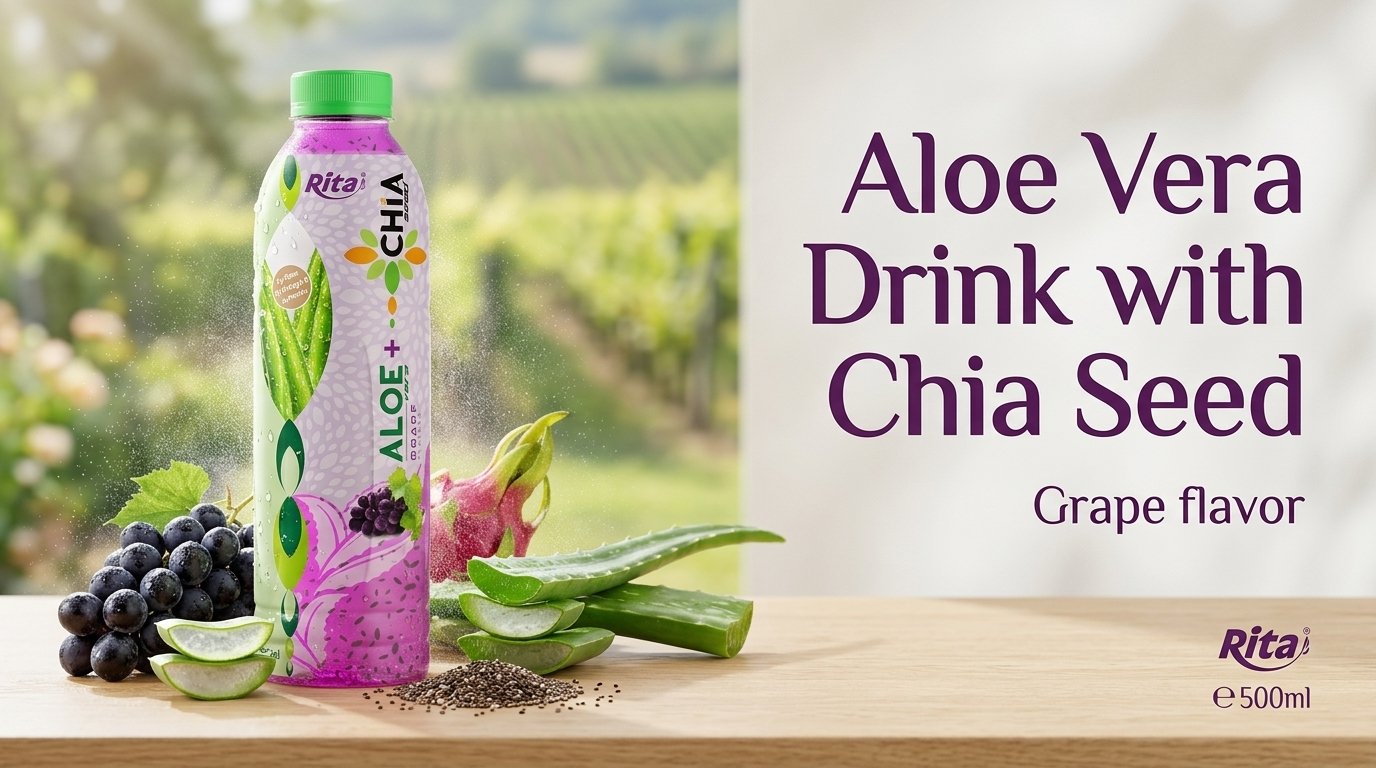
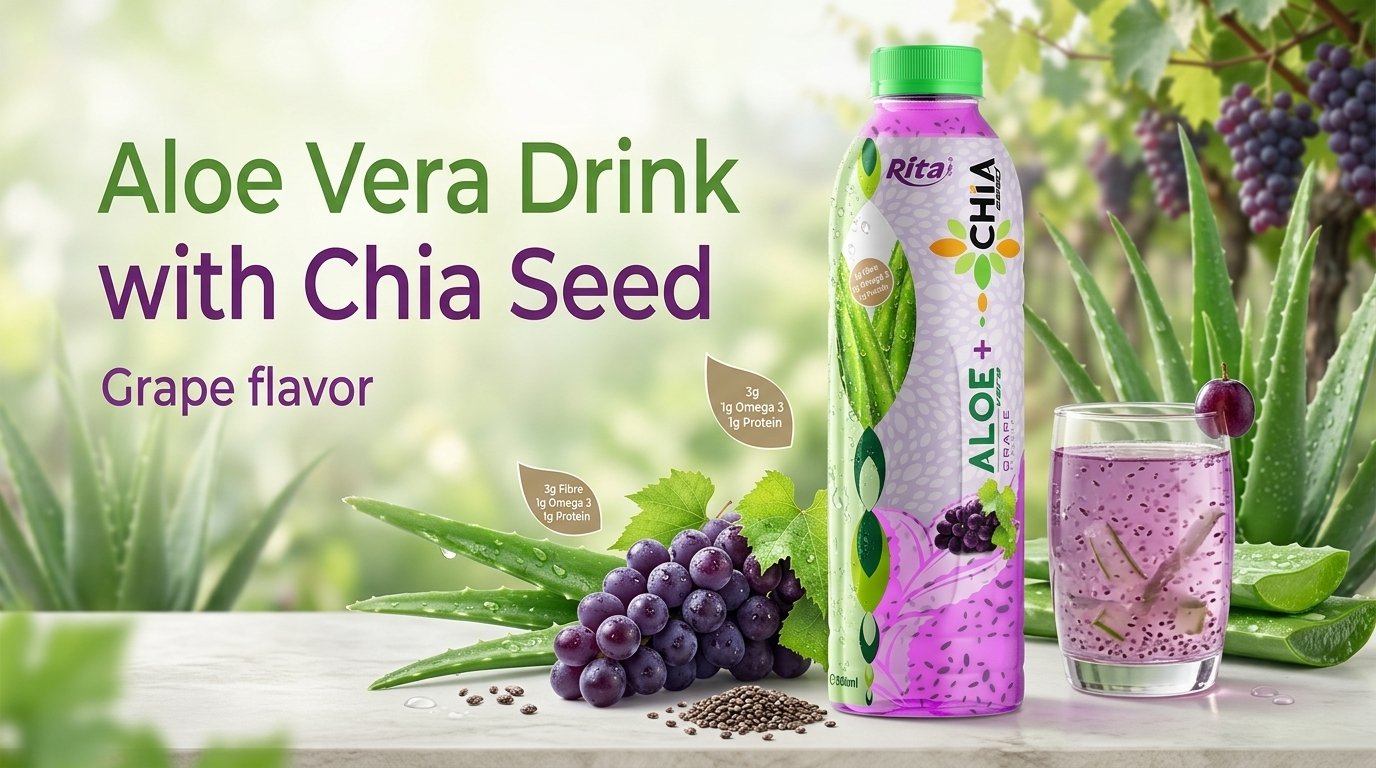
The inclusion of ingredients that add texture, such as chia seeds, represents a significant trend. These seeds provide a slight, enjoyable crunch that transforms the drinking experience. For distributors, this textural component is a powerful visual and experiential selling point that can be clearly communicated through transparent packaging, making products like a chia seed and aloe vera drink in a PET bottle highly attractive on shelf.
Strategic Packaging and Logistics for Global Distribution
For importers and wholesalers, the physical and commercial attributes of a product's packaging are as critical as its contents. The choice of container directly impacts shipping costs, shelf stability, and consumer perception.
The PET Bottle Advantage in Bulk Supply Chains
The 16.9 Fl Oz (500ml) PET bottle has become an industry standard for good reason. Its lightweight nature dramatically reduces freight costs per unit, a primary concern for businesses involved in OEM beverage manufacturing and bulk import. Furthermore, its shatter-resistant quality minimizes losses during long-distance transportation, ensuring product integrity from the manufacturing line to the retail shelf.
Shelf Life and Inventory Management
A product's shelf life is a key commercial specification. An 18-month shelf life, as commonly offered, provides distributors and retailers with extended flexibility in inventory management. It reduces the risk of spoilage, allows for strategic stockpiling, and facilitates entry into supply chains with longer lead times, which is crucial for aloe vera juice and similar products destined for international markets.
Navigating the Business of Beverage Import and Export
Engaging in the global beverage trade requires a clear understanding of the commercial and logistical frameworks that govern it. From order placement to final delivery, each step must be meticulously planned.
Understanding MOQ and Supply Chain Flexibility
Minimum Order Quantities (MOQ), such as 200 cartons, define the entry point for a business relationship. For new importers, partnering with a manufacturer that offers a reasonable MOQ allows for market testing without overcommitting capital. Conversely, a high monthly supply capacity, stated as 300 twenty-foot containers, signals a supplier's ability to scale and support the growth of a successful brand, ensuring they can meet rising demand.
Logistics and Incoterms for Smooth Operations
Clear communication on delivery terms is vital. A specified delivery time of 20-25 days after order and a designated port like Cat Lai Port in Ho Chi Minh City provide predictability for logistics planning. Common payment methods like Letter of Credit (L/C) and Telegraphic Transfer (T/T) offer secure financial transaction frameworks trusted in international trade. These operational details form the backbone of a reliable supplier-importer relationship.
Certification and Compliance as a Market Access Passport
In the globalized food and beverage industry, certifications are not merely badges of honor; they are non-negotiable tickets to entry for many markets. They assure business partners of consistent quality and safety standards.
Adherence to international standards like ISO (International Organization for Standardization) demonstrates a systematic approach to quality management. HACCP (Hazard Analysis Critical Control Point) certification is specifically crucial for food safety, identifying and controlling potential hazards throughout production. For markets with specific religious or regulatory requirements, certifications like Halal and FDA compliance are essential. These credentials simplify the due diligence process for importers and build trust with end consumers.
Capitalizing on HORECA and Retail Channel Opportunities
The application of novel beverages extends beyond supermarket shelves. The Hotel, Restaurant, and Cafe (HORECA) sector presents a lucrative channel for products with premium positioning and visual appeal.
In cafes and casual dining restaurants, a visually distinctive beverage can command a higher price point and enhance the overall menu offering. The unique appearance of chia seeds suspended in a clear liquid can be a talking point, adding value to the customer experience. For hotel minibars and room service, single-serve bottles with extended shelf life and appealing aesthetics are ideal. Distributors who can effectively present these channel-specific benefits to their HORECA clients can unlock significant additional volume.
Frequently Asked Questions
What are the primary commercial considerations when sourcing a beverage like this for import?
The key considerations are the Minimum Order Quantity (MOQ), the Free On Board (FOB) price, the shelf life, the packaging type's suitability for shipping, and the supplier's relevant export certifications (FDA, Halal, etc.). Understanding the payment terms and lead time is also crucial for supply chain planning.
How does the packaging choice impact the business model for a distributor?
The 500ml PET bottle is lightweight, reducing per-unit shipping costs, and shatterproof, minimizing transit damage. Its clarity showcases the product's visual attributes, aiding in marketing. These factors directly affect the landed cost, profit margin, and shelf appeal, making it a commercially sound choice for volume distribution.
Why are certifications like Halal and FDA important for a global beverage supplier?
These certifications are critical for market access. Halal certification opens doors to Muslim-majority markets and consumers who seek Halal products. FDA compliance, or equivalent food safety standards, is often a baseline requirement for importing food and beverages into many countries, including the United States, ensuring the product meets stringent safety regulations.
Newer news items:
- A Warm Dragon Boat Festival with Rita Beverage Company: Spreading Culture, Connecting with Love - 20/06/2026 03:03
- First Aid and Occupational Safety Training Course at Rita Company - 12/06/2026 08:56
- Rita Is Ready For THAIFEX 2026: Shaping The Next-Generation Beverage Map Of The Global Market - 05/06/2026 09:46
- Celebrating International Children’s Day with Rita Drinks - 05/06/2026 09:39
- Navigating the Premiumization Wave in the Global Coconut Water Market Through Flavor Innovation and Strategic Packaging - 21/04/2026 07:13
Older news items:
- The Rising Demand for Textured and Botanical Beverages in Global Markets - 21/04/2026 06:41
- Navigating the Global Demand for Premium Tropical and Botanical Beverages in the B2B Market - 21/04/2026 05:37
- Navigating the Next Wave of Beverage Innovation with Aloe Vera and Chia Seed Formulations - 21/04/2026 05:33
- Spring Opening Ceremony – The Ritual to "Activate" Energy with Rita - 26/02/2026 07:58
- Prodexpo Moscow 2026: The Strategic Bridge For Premium Beverage Sourcing With Rita - 13/02/2026 09:31
 084 274 3784788
 No. 8, Thong Nhat Boulevard, Song Than 2 Industrial Park, Di An Ward, HCMC, Vietnam.