

The Rising Demand for Textured and Botanical Beverages in Global Markets

Discover how textured botanical beverages with aloe vera and chia seeds are redefining the global drink market, offering premium OEM/ODM solutions and compliant packaging for international distributors.
The global beverage landscape is undergoing a profound transformation, driven by evolving consumer palates and a pronounced shift towards sensory-rich, natural experiences. At the forefront of this movement are drinks that combine botanical ingredients with unique textural elements, creating a multi-sensory appeal that transcends traditional juice categories. This trend is not merely a fleeting fad but a significant market evolution, presenting substantial opportunities for importers, distributors, and foodservice operators looking to diversify their portfolios with distinctive offerings.
Key Takeaways
- The fusion of botanical bases like aloe vera with textural ingredients such as chia seeds is defining a new sub-category in the ready-to-drink market.
- Consumer interest is pivoting towards beverages that offer visual appeal and a unique mouthfeel, moving beyond flavor alone.
- Strategic packaging, particularly in PET formats, is critical for supply chain efficiency and meeting the demands of modern retail and HORECA channels.
- Manufacturers with strong ODM beverage service capabilities are key partners for brands aiming to capitalize on this trend with speed and customization.
- Compliance with international standards like FDA, Halal, and ISO is a non-negotiable baseline for successful export and market entry.
Decoding the Consumer Shift: From Flavor to Experience
Modern beverage consumption is increasingly experiential. Consumers, especially in key markets across North America, Europe, and Asia-Pacific, are seeking products that engage more than just the taste buds. They are drawn to visual cues—like the suspension of seeds or pulp—and textural components that make a drink feel more substantial and interesting. This desire for a "texture-forward" experience is a direct response to the homogeneity of many conventional clear juices and soft drinks.
Ingredients such as chia seeds, basil seeds, and aloe vera pulp provide this sought-after texture. They signal a perception of naturalness and minimal processing. For instance, a beverage featuring whole chia seeds offers a slight, gelatinous crunch that is both novel and satisfying. This aligns with the broader "clean label" movement, where ingredient simplicity and recognizability drive purchase decisions in retail and foodservice settings.
Botanical Ingredients as a Mainstream Beverage Base
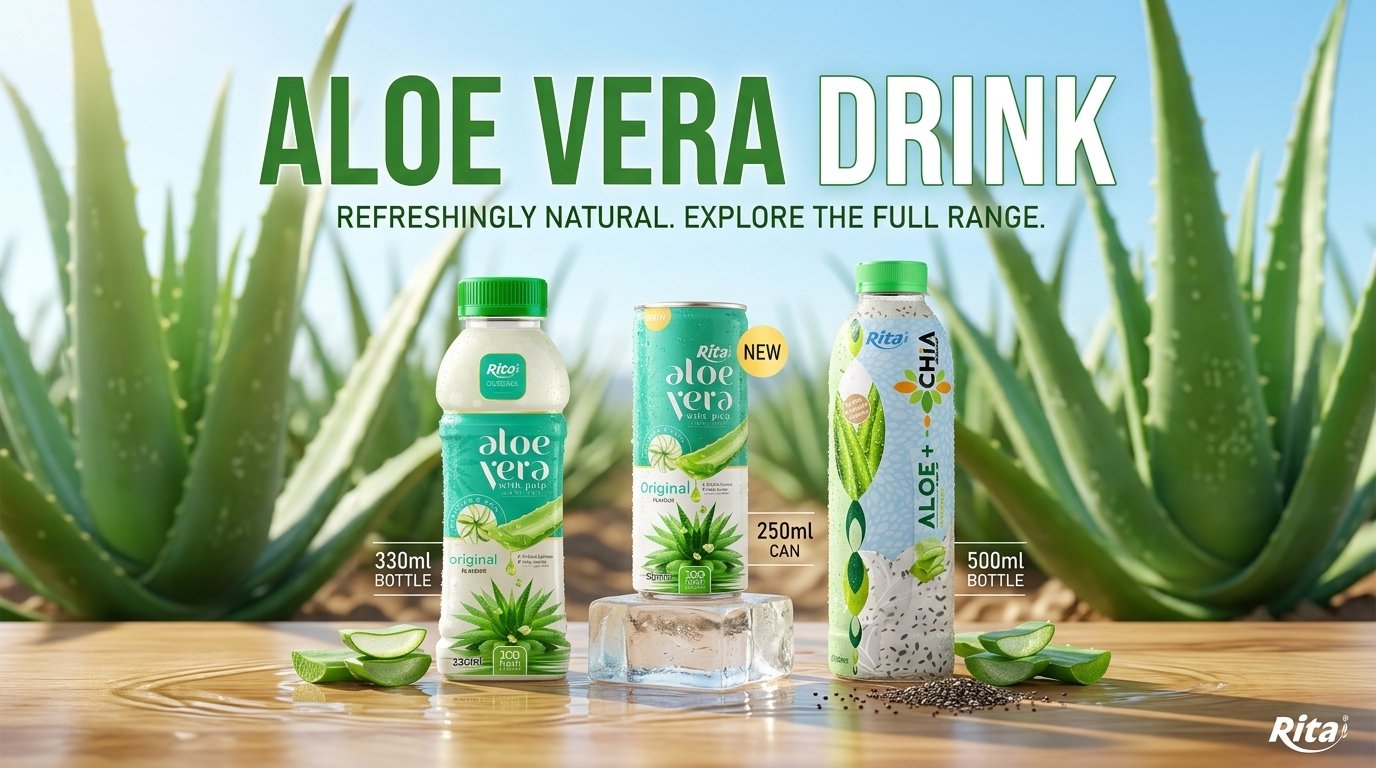
Aloe vera has successfully transitioned from a niche health store item to a mainstream beverage base. Its appeal lies in its mild, slightly sweet profile and its heritage as a plant-based ingredient. When used in drinks, it provides a light, refreshing quality that is versatile across consumption occasions—from casual hydration to a premium cafe offering. The growth of the aloe vera juice category demonstrates how botanical ingredients can anchor entire product lines.
For distributors, this represents a chance to move into adjacent categories without straying too far from the familiar juice aisle. It allows for premium pricing due to the ingredient's perceived value. Successful products in this space often balance the botanical base with a subtle sweetness and a clean finish, avoiding overpowering flavors that might limit repeat purchases.
The Critical Role of Packaging and Logistics in Market Success
A product's market potential is heavily influenced by its packaging format and the efficiency of its supply chain. The 16.9 fl oz (500ml) PET bottle has emerged as a global standard for single-serve ready-to-drink beverages. Its advantages are multifaceted: it is lightweight, reducing shipping costs and carbon footprint; shatter-resistant, ensuring product integrity during long-haul transport; and its clarity perfectly showcases the visual appeal of textured ingredients.
For businesses involved in bulk beverage import and wholesale, these logistical details are paramount. A long shelf life, often 18 months or more, provides flexibility in inventory management and reduces the risk of spoilage. Furthermore, packaging that is optimized for palletization and container loading maximizes every cubic foot of shipping space, directly impacting the bottom line for importers.
Customization and Compliance: The Gateway to Global Distribution
Entering new markets requires more than just a great product; it demands adherence to a complex web of regulations and standards. Certifications like FDA compliance, Halal, and HACCP are not just badges on a label—they are essential passports for cross-border trade. They assure retailers and consumers of safety and quality, and they are often mandatory for listing in major supermarket chains or for use in hotel and restaurant groups.
This is where partnering with a manufacturer with robust OEM and private label capabilities becomes a strategic advantage. Such partners can manage the entire compliance landscape while offering customization in flavor profiles, sweetness levels, and packaging design. This allows a distributor to tailor a product like an aloe vera and chia seed drink to local taste preferences or to create a unique brand identity without the capital expenditure of building a production facility.
Capitalizing on HORECA and Specialty Retail Channels
The application for textured botanical beverages extends far beyond supermarket shelves. The Hotel, Restaurant, and Cafe (HORECA) sector is a prime channel for higher-margin, premium-positioned drinks. In cafes, such a beverage can be offered as a non-carbonated, natural alternative to sodas or as a base for creative mocktails. In restaurants, it can complement health-conscious or fusion cuisine menus.
For wholesalers servicing this sector, offering products with a strong visual identity and a story—such as the combination of aloe vera and chia seeds—can enhance a venue's menu appeal. The single-serve PET bottle format is also ideal for grab-and-go coolers in convenience stores, gyms, and office cafeterias, tapping into the demand for convenient yet interesting hydration options.
Strategic Sourcing and Building a Future-Proof Portfolio
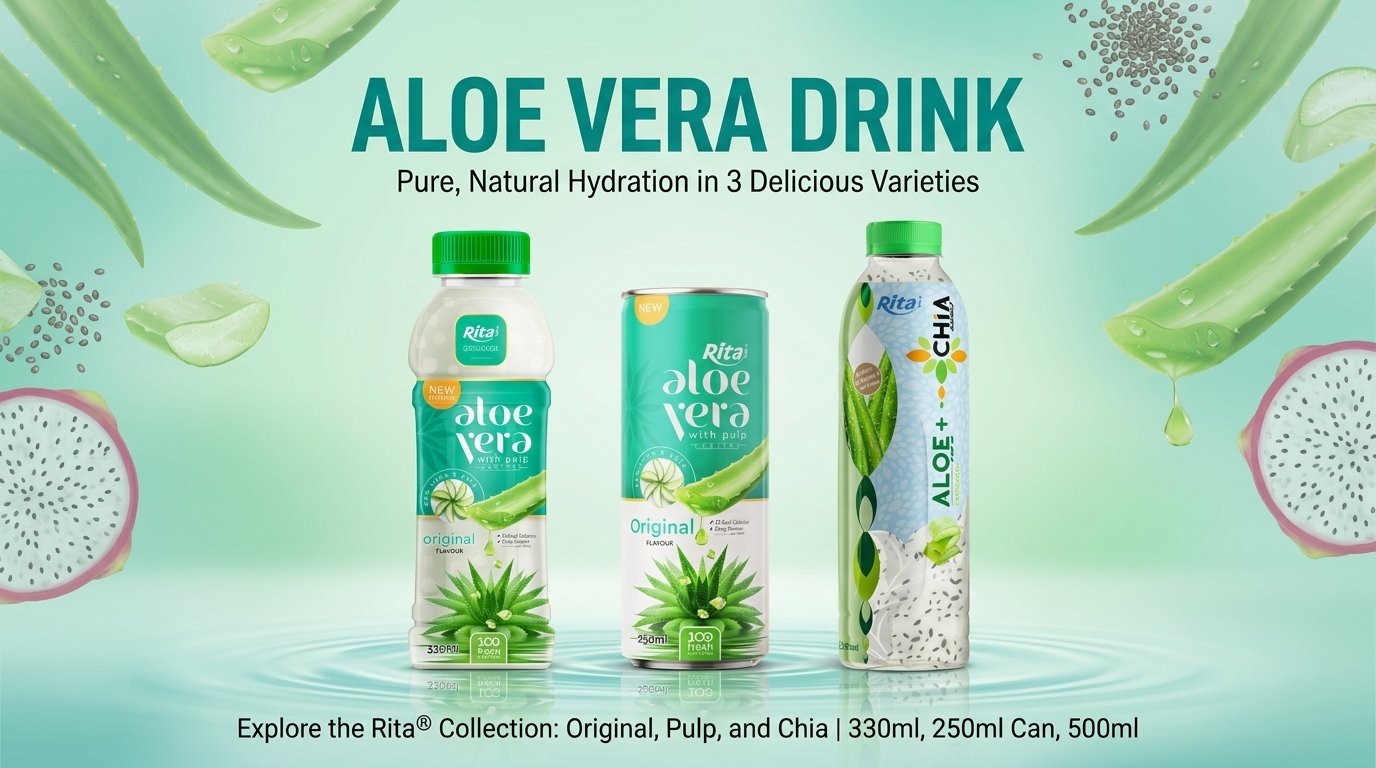
For importers and distributors, the decision to add a new product line involves careful analysis of minimum order quantities (MOQ), supply reliability, and scalability. A competitive MOQ, such as 200 cartons, lowers the barrier to entry for testing a new market. A manufacturer's stated supply ability, for example, 300 twenty-foot containers per month, indicates scalability for successful product launches.
Forward-thinking businesses are building portfolios that anticipate consumer trends rather than react to them. Incorporating a textured natural beverage with chia seeds is a strategic move to capture growth in the "better-for-you" segment without making any functional claims. It positions the distributor as an innovator and a reliable source for the next generation of beverages.
Frequently Asked Questions
What are the key market trends driving demand for beverages with textures like chia seeds?
The primary drivers are the consumer desire for multi-sensory experiences, the clean label movement favoring recognizable ingredients, and the search for novel alternatives to traditional juices. Texture adds a dimension of interest and a perception of added value and natural content.
Why is PET bottle packaging particularly advantageous for exporting textured drinks?
PET bottles are lightweight, reducing shipping costs, and durable, minimizing damage during transit. Their transparent nature is crucial for displaying the visual appeal of ingredients like chia seeds or aloe vera pulp, which is a key selling point. They are also widely recycled, aligning with sustainability concerns in many markets.
How important are international certifications for distributing this type of beverage?
They are critical. Certifications like FDA, Halal, ISO, and HACCP are often mandatory for entry into regulated markets and large retail chains. They serve as independent verification of product safety, quality, and manufacturing integrity, building essential trust with buyers and consumers.
What should a distributor consider regarding minimum order quantity (MOQ) when sourcing?
An MOQ should balance risk with commitment. A lower MOQ allows for a market test with less inventory risk. It's essential to ensure the MOQ aligns with your storage capacity, sales forecasts, and the product's shelf life to avoid dead stock.
Can the flavor profile of such beverages be customized for different regional markets?
Yes, this is a major advantage of working with an ODM/OEM manufacturer. Sweetness levels, flavor accents (e.g., a hint of citrus), and even the size of the textural components can often be adjusted to suit local taste preferences and increase market acceptance.
Newer news items:
- First Aid and Occupational Safety Training Course at Rita Company - 12/06/2026 08:56
- Rita Is Ready For THAIFEX 2026: Shaping The Next-Generation Beverage Map Of The Global Market - 05/06/2026 09:46
- Celebrating International Children’s Day with Rita Drinks - 05/06/2026 09:39
- Navigating the Premiumization Wave in the Global Coconut Water Market Through Flavor Innovation and Strategic Packaging - 21/04/2026 07:13
- Navigating the Global Demand for Novel Beverages with Aloe Vera and Chia Seed Combinations - 21/04/2026 07:06
Older news items:
- Navigating the Global Demand for Premium Tropical and Botanical Beverages in the B2B Market - 21/04/2026 05:37
- Navigating the Next Wave of Beverage Innovation with Aloe Vera and Chia Seed Formulations - 21/04/2026 05:33
- Spring Opening Ceremony – The Ritual to "Activate" Energy with Rita - 26/02/2026 07:58
- Prodexpo Moscow 2026: The Strategic Bridge For Premium Beverage Sourcing With Rita - 13/02/2026 09:31
- The Global Nexus For Next Generation Beverage Innovation With Rita Solutions - 07/02/2026 07:01
 084 274 3784788
 No. 8, Thong Nhat Boulevard, Song Than 2 Industrial Park, Di An Ward, HCMC, Vietnam.